
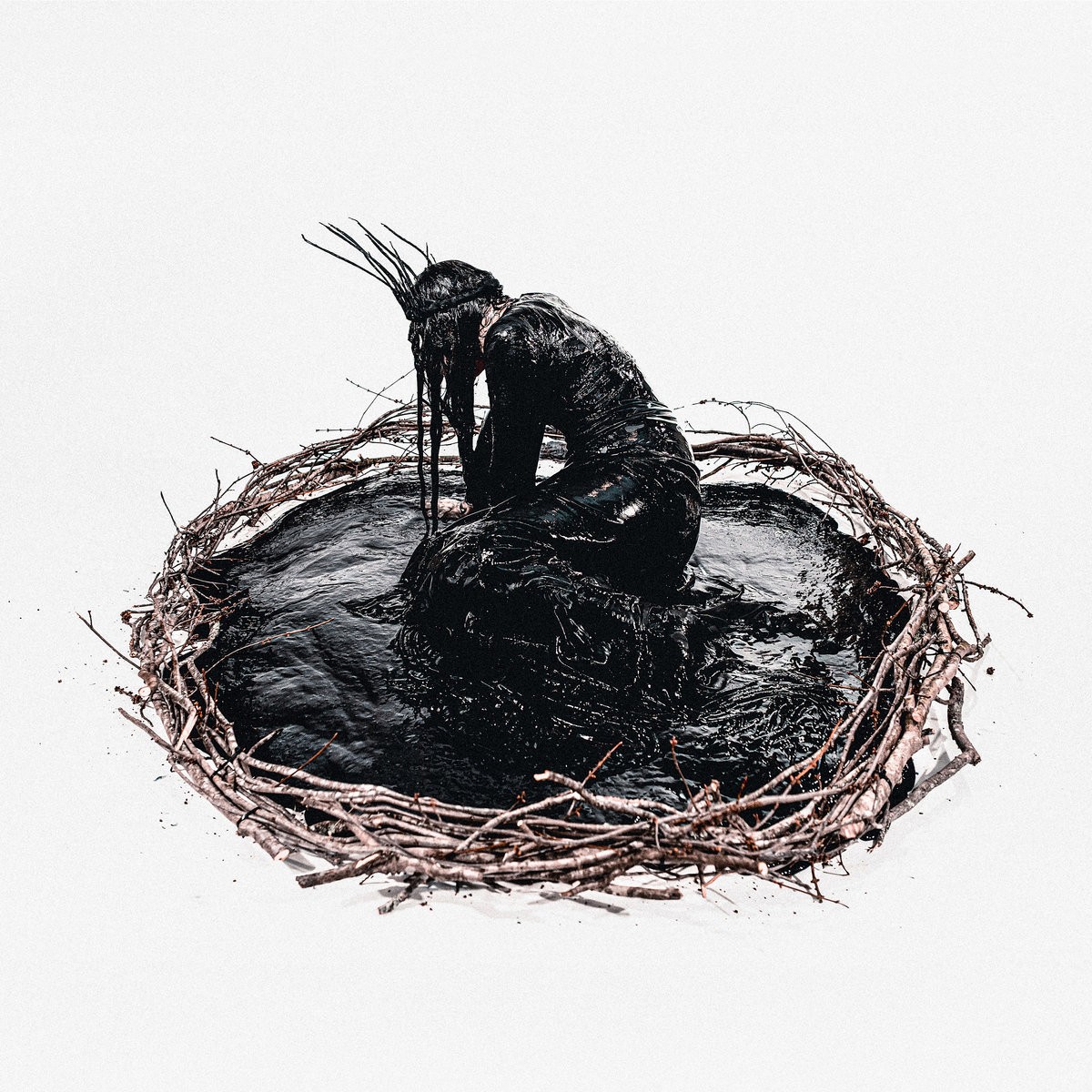
You might not get what they were expecting from the new Entheos album. With cofounder and multi-instrumentalist Navene Koperweis’ background in Animals as Leaders and Animosity, one could be forgiven for anticipating their Sumeriancore roots. That escalating cycle of deathcore bands looking to be more technical and brutal than the last. Empty on the Inside, Entheos’ latest record, dramatically subverts that expectation. Industrial, gothy vibes, buttressed by prog-rock sensibilities and energetic choruses, layer onto the techy deathcore skeleton that the band is known for.
“We never wanted to participate in this arms race of technicality,” vocalist Chaney Crabb says. “We feel like such outsiders compared to other, like, tech bands or even deathcore, really.”
…
…
Entheos’ technical mastery feels restrained on Empty on the Inside. Crabb’s account makes the shift sound less like a retreat from complexity than a commitment to instincts that were there all along. She points to “I Am the Void,” from 2023’s Time Will Take Us All, as an important step. “I was horrified to release it,” she says. Their manager asked whether she was proud of the song. If she was, the reaction didn’t fucking matter.
“Let’s stop dipping our toes in shit and let’s actually be the band that we want to be.”
“Golden Crown” makes that commitment stick. Its moody low-end intro gives way to a catchy nu-metal chorus that sounds more than a little Linkin Park-y. Even with more straightforward timing than we usually hear from Entheos, Koperweis’ ghost notes in the chorus and whirling fills reward closer listening, which you’ll do because the song gets stuck in your head pretty easily. The more restrained songwriting preserves his drumming’s personality without the steady barrage of older material.
Crabb’s expanded vocal approach similarly moves beyond the typical trappings of the genre. On “Hollow,” gravelly textures blur the harsh/clean divide, letting her pull off intense transitions into far more brutal voices. “Call My Name” balances techy death metal with a sharply hooked chorus that transitions into gutturals and squeals. Chester Bennington-like screamsinging passages flow into full-on death metal shrieks without sounding like a vocalist abruptly shifting gears. Certain parts sound like they could have been inspired directly by early Slipknot.
“I mean, I’m from Des Moines, Iowa,” Crabb says, mentioning influences including Otep and Mudvayne’s LD 50. The nu-metal roots are front and center, but she’s still learning from newer generations and the vocal olympics fad. “I was like, all right, let me learn some shit from these kids, you know?” she says. More melodic approaches also free her from fitting words into rigid syllabic patterns, opening up a wider vocabulary and different emotions. The hooks benefit from that room to breathe.
The collaboration has expanded, too. Guitarists Scott Carstairs of Fallujah and Michael Stancel of Allegaeon join the core duo, bringing more voices into the writing. Crabb describes Stancel writing industrial standout “Undone” overnight and showing it to the others the next day. “Yes, abso-fucking-lutely, this is going on the record,” Crabb says, adding that it helped replace two death metal songs they originally planned.
That track’s industrial swells feel like the rising blood pressure of an anxious machine. Across the Mark Lewis-produced record, the electronics have a fuzzier, dirtier edge than Koperweis’ familiar polished clicks and swirls. The grittier treatment keeps the huge choruses from disappearing into the hyper-polished modern-metal finish these songs could have received. The hooks are immediate, but the surfaces retain some grit.
“Tomblight,” featuring The Contortionist’s Michael Lessard, motions towards radio-friendliness before dropping into a crushing deathcore breakdown. Lessard is a fitting guest for a band renegotiating its place on the prog/tech spectrum. Together with “Golden Crown” and “Undone,” it cements the middle of the album as the core of its stylistic pivot.
Forunately, there’s still plenty for the death metal heads. Carstairs’ expressive leads suit the moodier vibe of opener “Hell Is a Part of Me,” while the quick tech-death runs and solo in “Pale Faith” keep Entheos connected to modern prog metal’s flashier impulses. The latter might be the most brutal song on the record. Those restrained technical instincts make the moments where the band rightfully shows off slap harder.
Longtime collaborator and bassist Evan Brewer does feel conspicuously absent. He plays on the album, but there isn’t much room for the floaty, progged-out basslines that has made him a compelling presence on previous releases and in other bands like The Faceless. The production doesn’t lack for low-end weight; it just feels largely occupied by the synths.
Empty on the Inside is an excellent modern example of a band making a risky stylistic change and not completely fucking it up. The hooks sink deep, the industrial grit works, and the technical flourishes hit harder when they have room to breathe. Entheos sound increasingly comfortable being the band they say they’ve always wanted to be.
…
Empty on the Inside is available now via Metal Blade Records.


